In a move that has sent shockwaves across the Midwest, Chicago Bears President and CEO Kevin Warren announced that the franchise's stadium search has shifted to a "sole focus" on Hammond, Indiana. Speaking at a media briefing at Halas Hall, Warren clarified that the organization has prioritized two specific sites in northwest Indiana—the Lost Marsh Golf Course and the Wolf Lake Terminal site—as the most viable options for a world-class stadium and mixed-use development district. This pivot comes after months of stalled negotiations with Illinois state legislators, who adjourned their spring session without passing a bill to provide financial incentives for a new stadium in Chicago or suburban Arlington Heights.
The Indiana Incentive
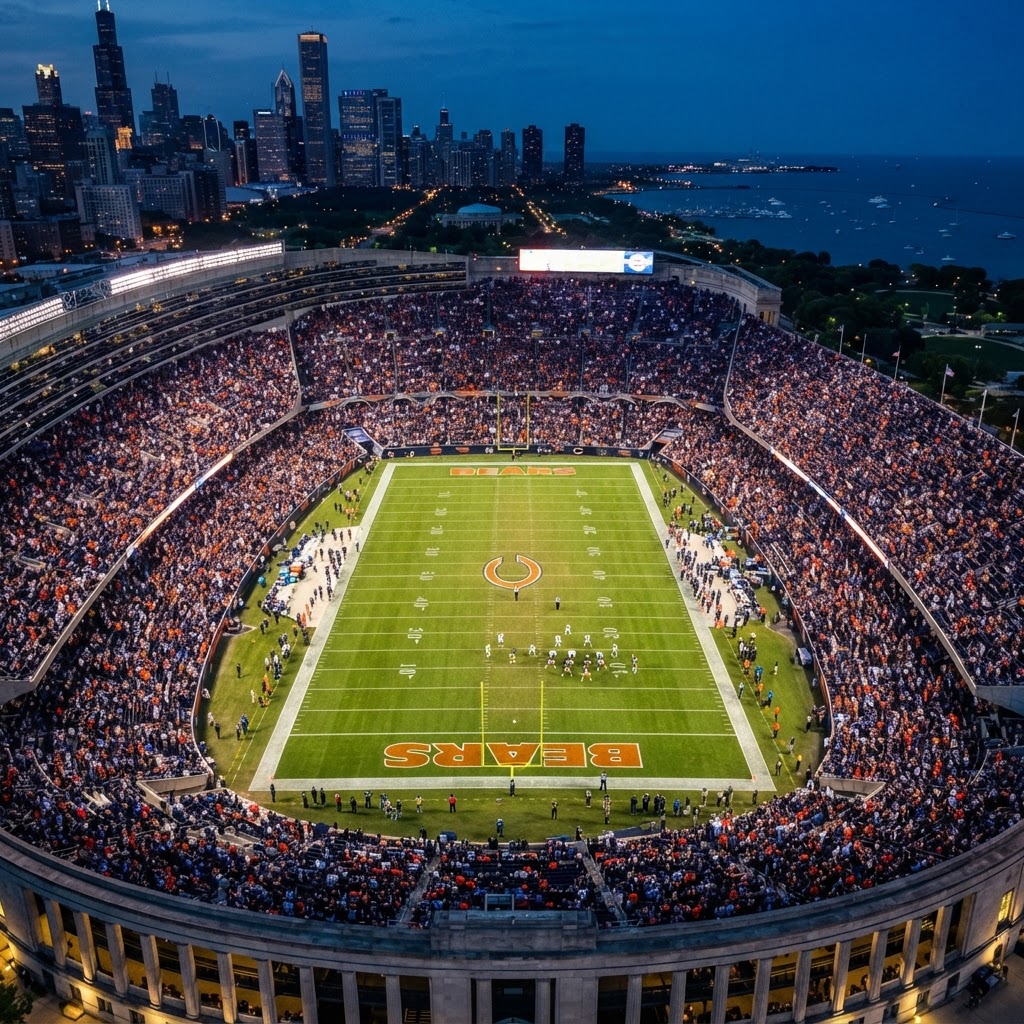
The shift to Hammond is largely driven by a combination of due diligence and substantial financial backing from the Hoosier State. Indiana has reportedly offered up to $1 billion in incentives to lure the charter NFL franchise across the border. Warren noted that the Lost Marsh site is considered a "viable" location where the team could break ground, while the Wolf Lake Terminal property is currently undergoing geographical and environmental studies. The Bears are even exploring the possibility of merging the two adjacent sites to create a sprawling entertainment complex just 20 miles south of Soldier Field.
Preserving a Century of Heritage
Despite the potential move across state lines, Chairman George McCaskey was quick to reassure the fan base that the team’s identity remains non-negotiable. "We will be the Chicago Bears whether we're in Arlington or whether we're in Hammond," McCaskey stated, addressing concerns about the franchise's deep roots in Illinois. The Bears have called Chicago home since 1921, playing at Wrigley Field before moving to Soldier Field in 1971. While the team’s lease at Soldier Field runs through 2033, the organization has the option to pay a fee to break the agreement early to facilitate a move to a modern, domed facility.
Looking Ahead
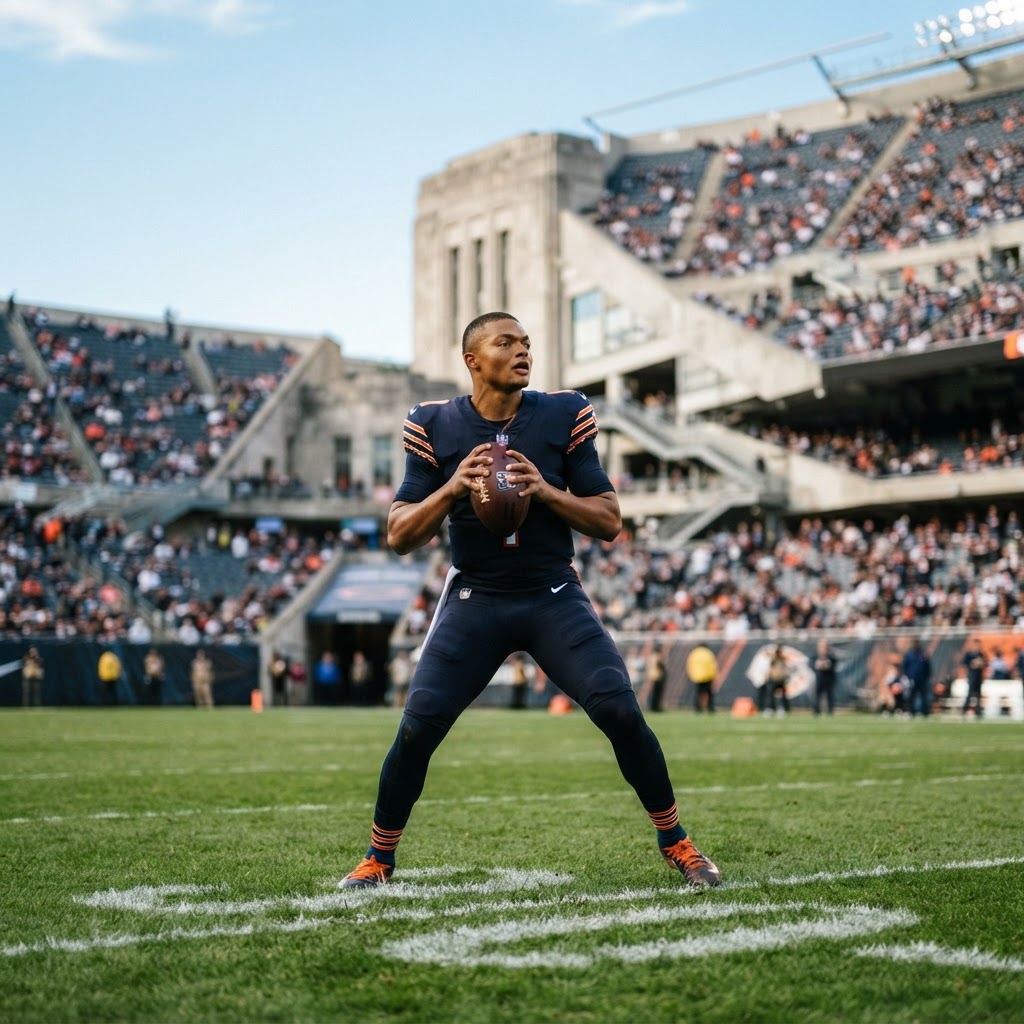
The urgency to finalize a stadium plan is mounting as construction costs continue to climb. According to Warren, inflation is increasing projected stadium costs by approximately $150 million per year. While the front office navigates the complexities of the move, the team remains focused on rebuilding on the field following a 2024 season where they finished 5-12. With cornerstone players like cornerback Jaylon Johnson, a recent Pro Bowler, and a new generation of talent led by quarterback Caleb Williams, the organization is looking to pair a new era of winning with a state-of-the-art home that can host year-round events including Super Bowls and Final Fours.