Key Storylines
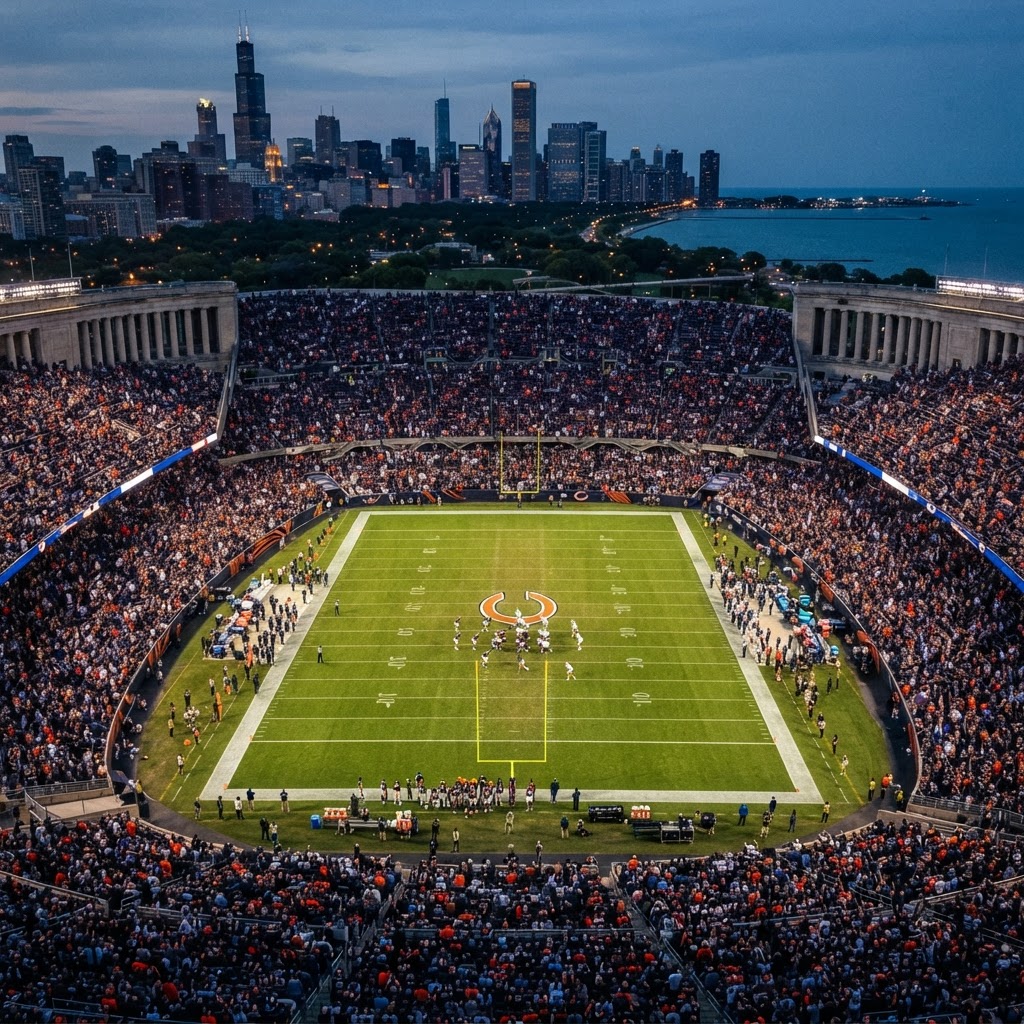
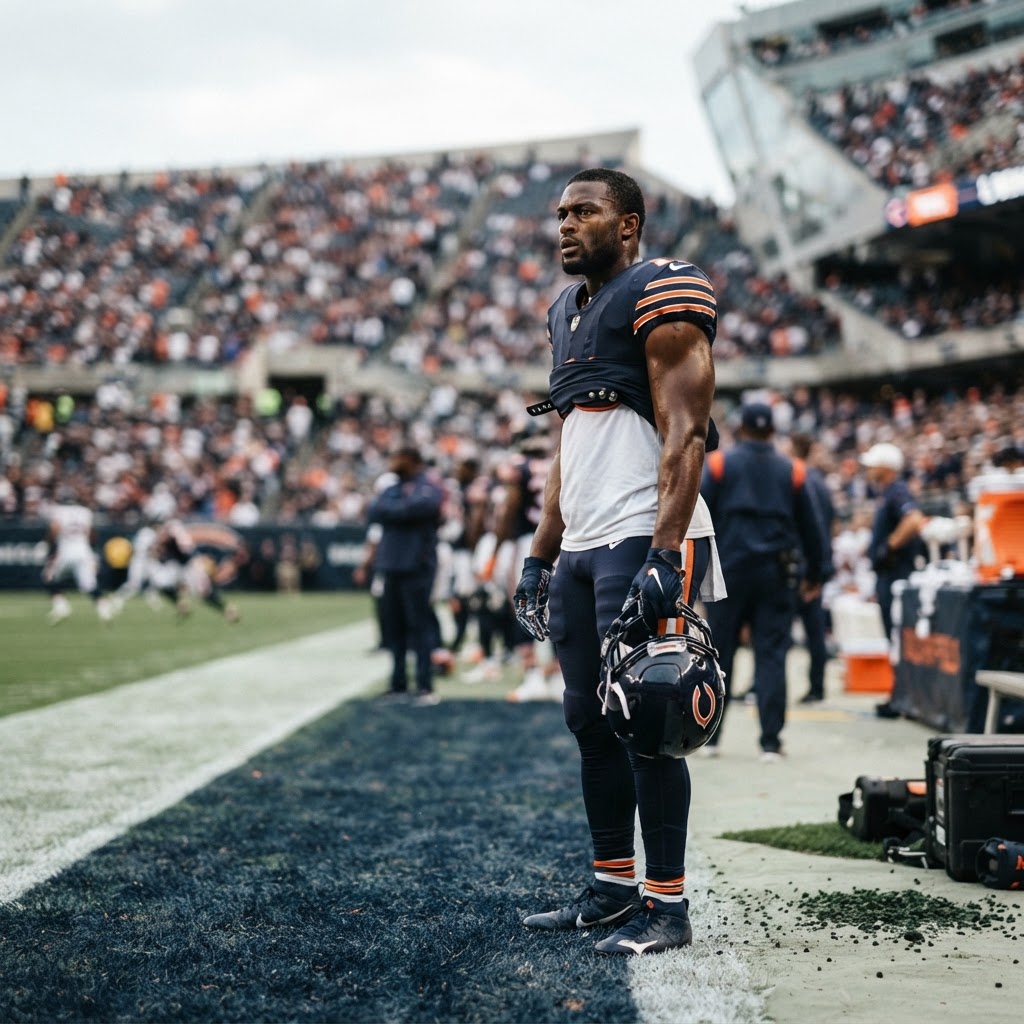
The Chicago Bears' recent success has brought a welcome spotlight to the team's overall roster depth, but it has also created a complex challenge for the front office. With the coaching staff openly praising the contributions of newer faces who have stepped up during injury-plagued stretches, the organization is now forced to weigh the immediate value of these players against long-term roster flexibility. The team's ability to remain competitive despite personnel hurdles has been a hallmark of the 2026 season, yet it leaves decision-makers in a precarious position.
Player Spotlight
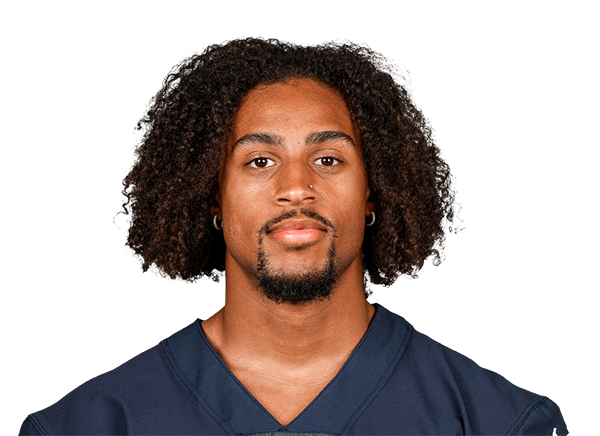
Running back Zavier Scott has become a focal point of this roster dilemma. Scott, who has been elevated from the practice squad multiple times this season, including ahead of recent matchups against the Falcons and Packers, has provided necessary depth while Kyle Monangai has dealt with toe and thumb injuries. His ability to step into the 53-man roster and contribute immediately has not gone unnoticed by the coaching staff, who value his versatility and readiness.
The Poaching Threat
The primary concern for the Bears' front office is the reality of the NFL's competitive landscape. As other teams monitor the Bears' depth chart for potential poaching opportunities, the front office must decide whether to sign these emerging talents to the active roster permanently or risk losing them to waivers. The success of players like Scott makes them attractive targets for teams looking to bolster their own depth, creating a ticking clock for Chicago's management.
Looking Ahead
For the fans, the situation highlights the effectiveness of the team's development pipeline. While the prospect of losing a promising contributor is frustrating, it is ultimately a byproduct of a roster that has been built to withstand adversity. As the season progresses, the front office will need to balance the need for immediate depth with the desire to retain the young talent that has helped keep the Bears in the thick of the NFC North race.