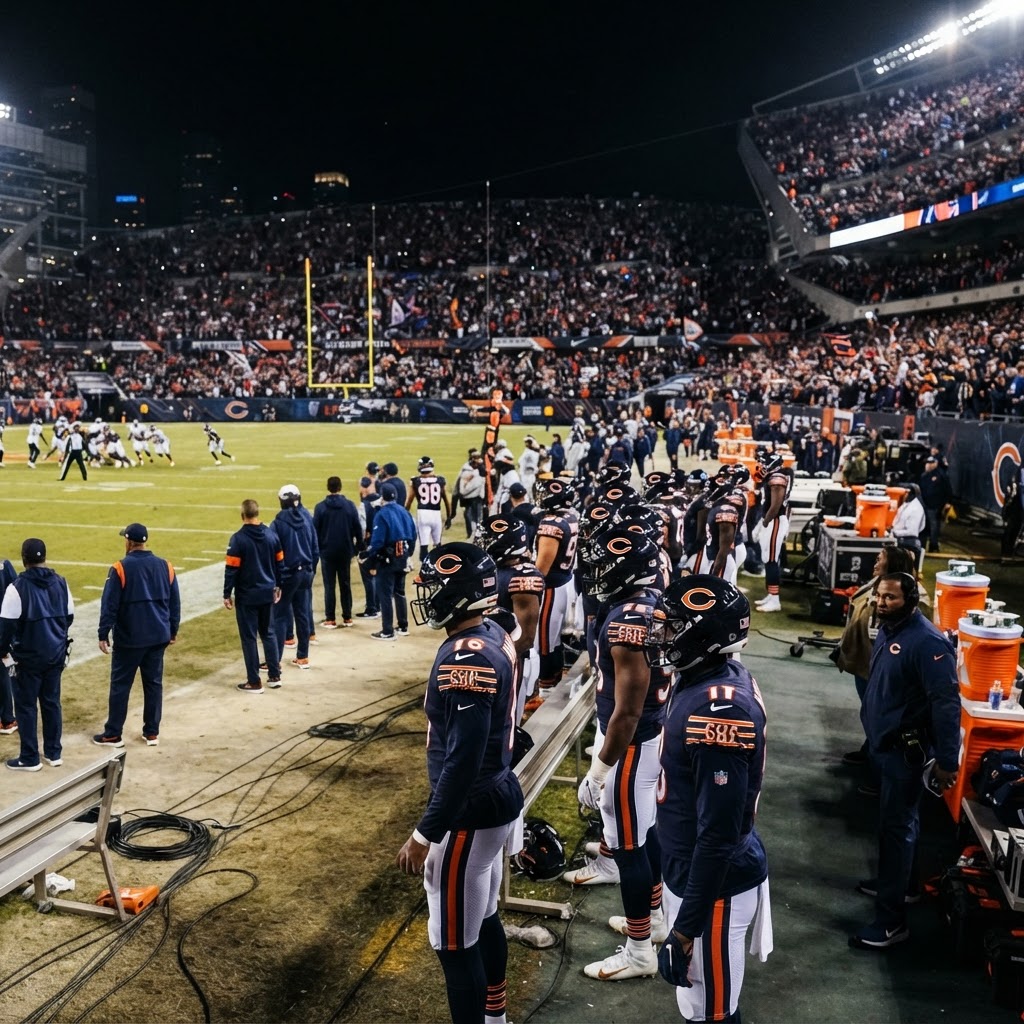
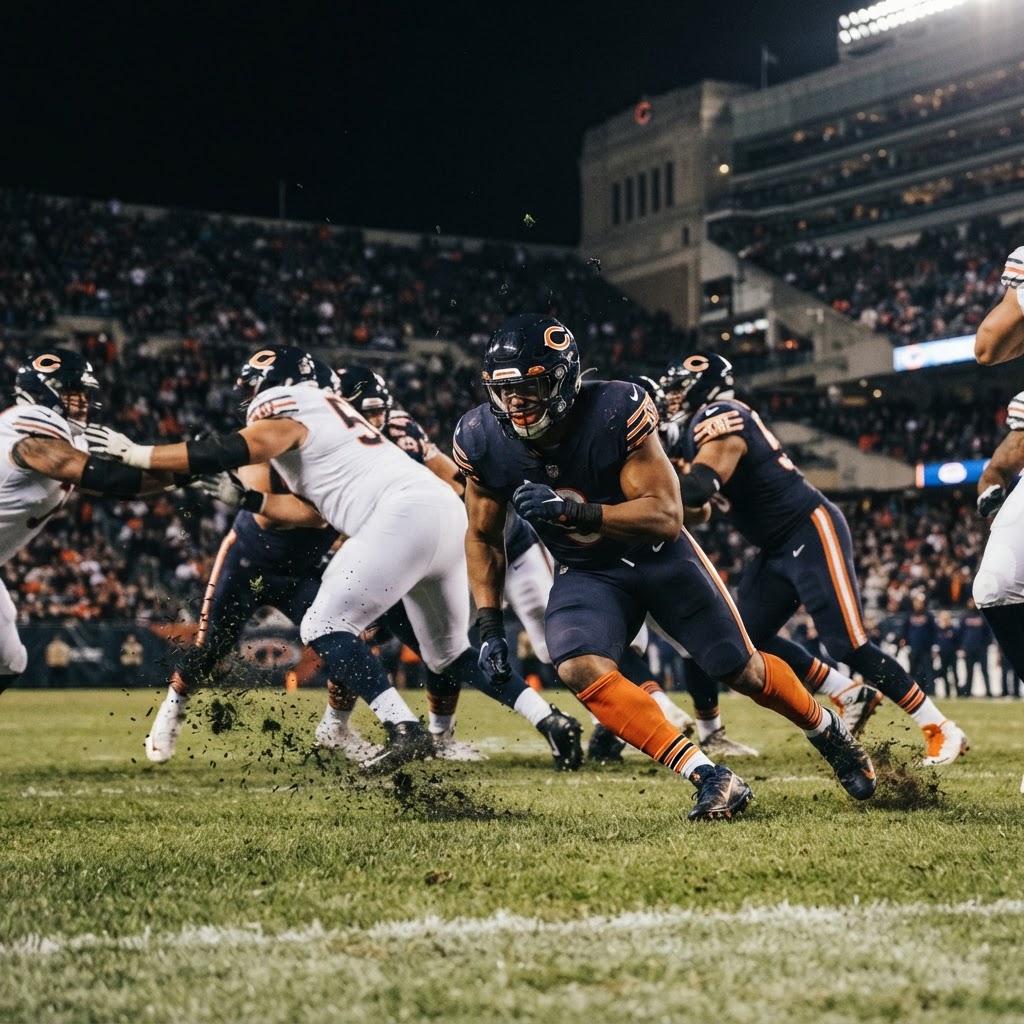
General manager Ryan Poles executed a series of financial maneuvers on Friday, restructuring the contracts of veteran offensive guard Joe Thuney, defensive lineman Dayo Odeyingbo, and linebacker T.J. Edwards. The conversions shifted base salary into signing bonuses, successfully creating approximately $17 million in immediate salary cap relief. Prior to the transactions, Chicago sat roughly $12 million over the cap limit, leaving the franchise with between $4 million and $6 million in functional operating space right before Week 1.
Cap Compliance Meets Strategic Flexibility
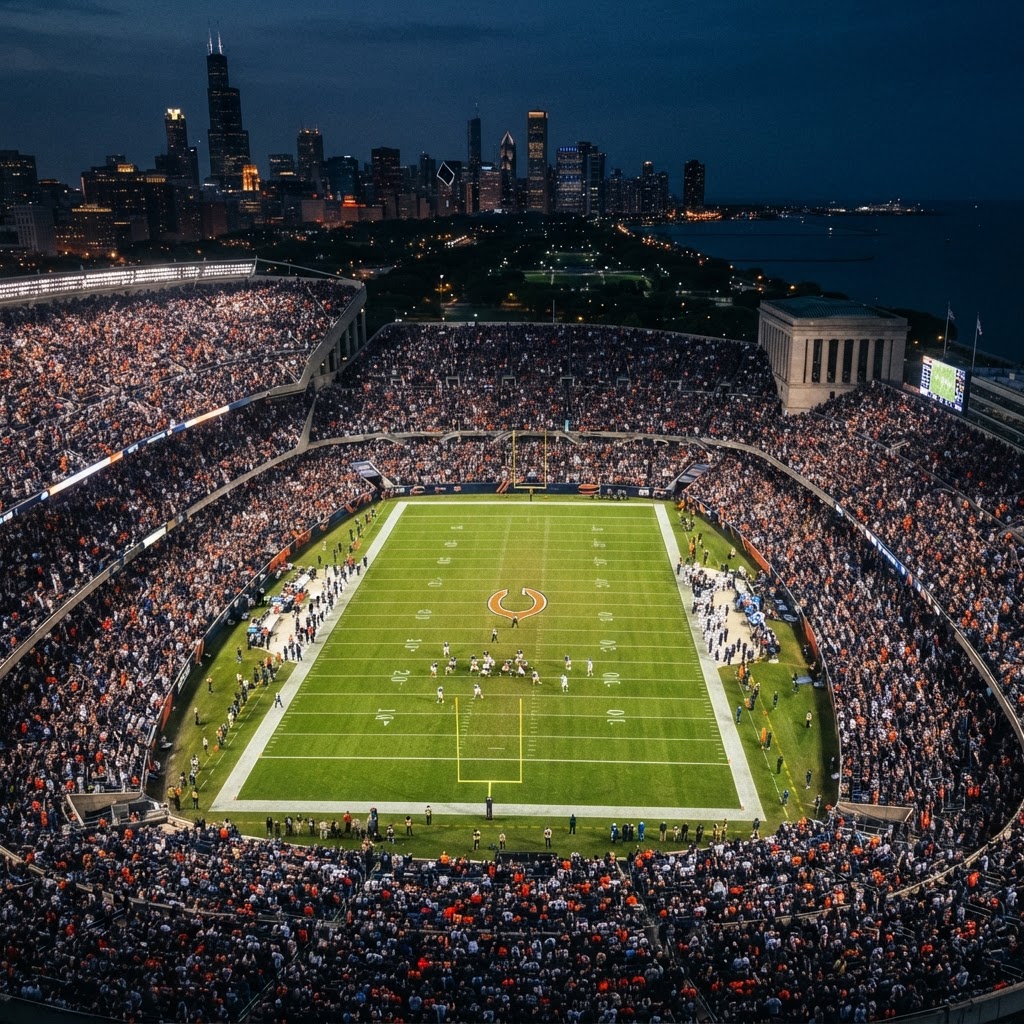
While clearing cap space at this juncture was necessary to remain compliant with NFL mandates that require teams to be under the hard ceiling when rosters lock for the regular season, the maneuver inevitably pushes liabilities into 2027. All three contributors—Thuney, Odeyingbo, and Edwards—are under contract through 2027, meaning their future cap numbers will absorb the converted proration. However, the timing also affords Chicago in-season operational flexibility for practice squad elevations, injury replacements, or future contract rollovers.
The Search for Edge Help
The sudden opening of financial breathing room quickly ignited chatter across the league regarding Chicago's pass rush. Despite banking on defensive end Montez Sweat to anchor the front, the Bears have continued evaluating options across from him. Veteran Marcus Davenport was initially released during final cutdowns before returning to the practice squad, exposing lingering depth concerns on the edge. While trade speculation frequently links high-profile rushers to aggressive front offices, the created margin provides Poles the leverage to make midseason inquiries should opportunities develop.
The Fan Perspective and What Lies Ahead
For Bears fans eager to see a dominant defensive line disrupt opposing backfields, any roster accounting move triggers anticipation of a blockbuster transaction reminiscent of past autumn acquisitions. Yet Poles has maintained an emphasis on sustainable roster construction and internal development. Whether the newly created space is spent on an eleventh-hour trade target before facing Carolina or preserved as a vital midseason war chest, Chicago enters the 2026 campaign with far more financial agility than it held just days ago.