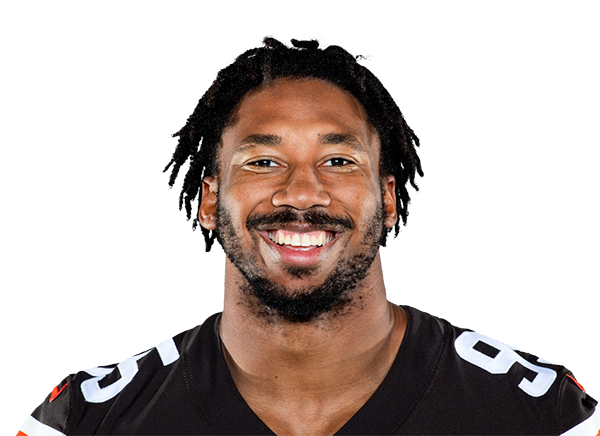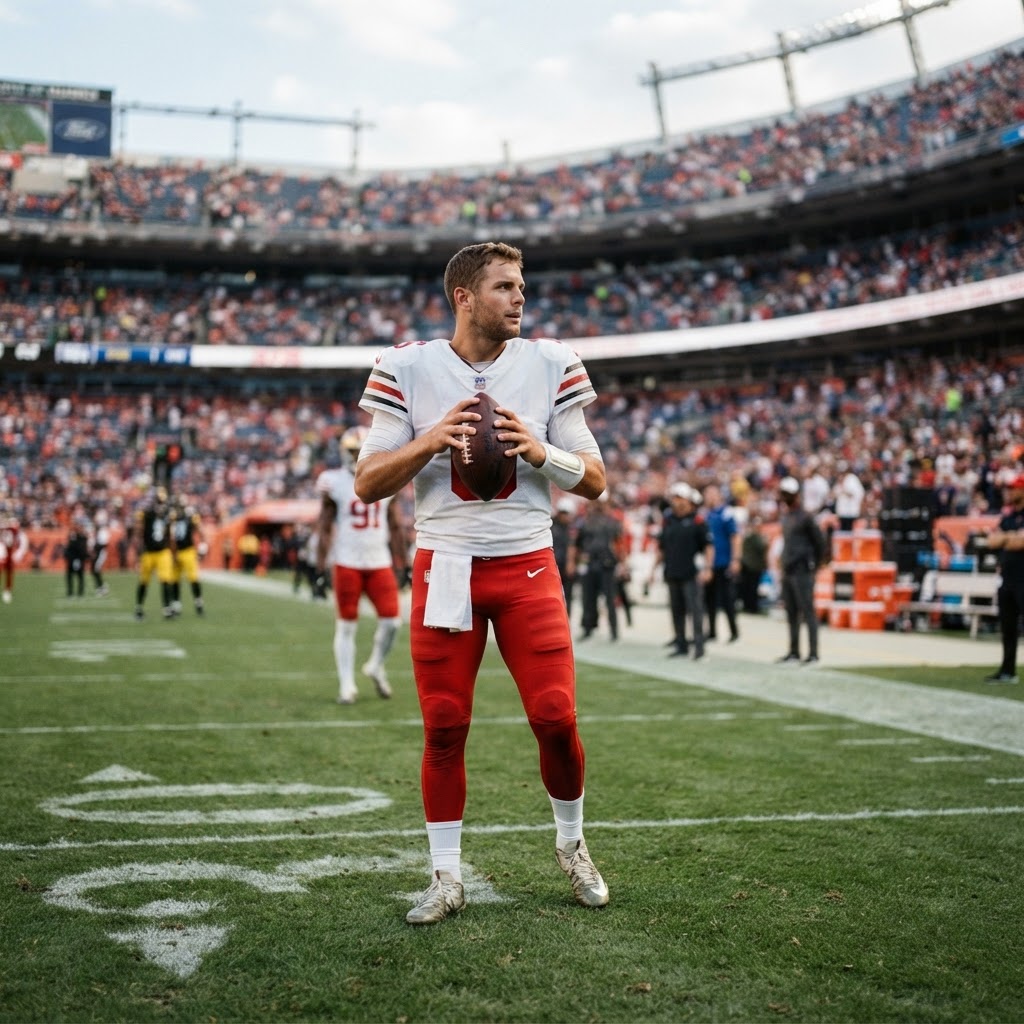

The Baltimore Ravens have officially reset the wide receiver market, signing two-time Pro Bowler Zay Flowers to a four-year, $140 million contract extension. The deal, which includes a staggering $108 million in guaranteed money, places Flowers in a tie with Minnesota Vikings star Justin Jefferson as the fourth-highest-paid wideout in the league at an average annual value (AAV) of $35 million. This extension replaces the fifth-year option on Flowers’ rookie contract, ensuring the 25-year-old remains the primary target for quarterback Lamar Jackson through the prime of his career.
The New Market Standard
This agreement is the latest in a series of massive contracts that have redefined the "receiver bubble." Earlier this offseason, the Seattle Seahawks set a new ceiling by signing Jaxon Smith-Njigba to a four-year, $168.6 million deal ($42.15M AAV), while the Cincinnati Bengals committed $40.25 million per year to Ja'Marr Chase. With Flowers now commanding $35 million annually, the floor for elite young talent has shifted dramatically, leaving teams with difficult decisions regarding salary cap allocation and roster depth.
A Foundational Piece in Baltimore
Flowers earned his extension following a career-best 2025 campaign where he recorded 86 receptions for 1,211 yards and five touchdowns. Since being selected 22nd overall in the 2023 NFL Draft out of Boston College, Flowers has amassed 237 receptions and 3,128 receiving yards. Ravens General Manager Eric DeCosta emphasized the importance of the deal, describing Flowers as a "foundational football player" who is "tough, competitive, and durable." Head coach Jesse Minter echoed this sentiment, noting that Flowers brings the right mentality to an offense that increasingly funnels through his playmaking ability.
League-Wide Ripple Effects
The implications of Flowers’ $35 million AAV extend far beyond Baltimore. The Atlanta Falcons recently saw Drake London climb to the third-highest-paid spot at $35.25 million per year, and the pressure is mounting for other contenders to follow suit. As the cost of retaining top-tier pass-catchers begins to rival quarterback salaries, franchises are being forced to choose between paying their homegrown stars or risking their departure in a rapidly inflating market. This trend has seen a dozen active receivers now earning at least $30 million annually, a significant shift from previous years where only elite offensive tackles like Laremy Tunsil commanded such figures.
Looking Ahead
As the NFL enters this new economic era, the "receiver bubble" shows no signs of bursting. For the Ravens, the investment secures a dynamic weapon who led the team in receiving yards for three consecutive seasons. For the rest of the league, the $35 million floor serves as a stark reminder: in the modern NFL, elite perimeter production is no longer a luxury—it is a premium necessity that requires a historic financial commitment.