A Strategic Shift in Roster Management
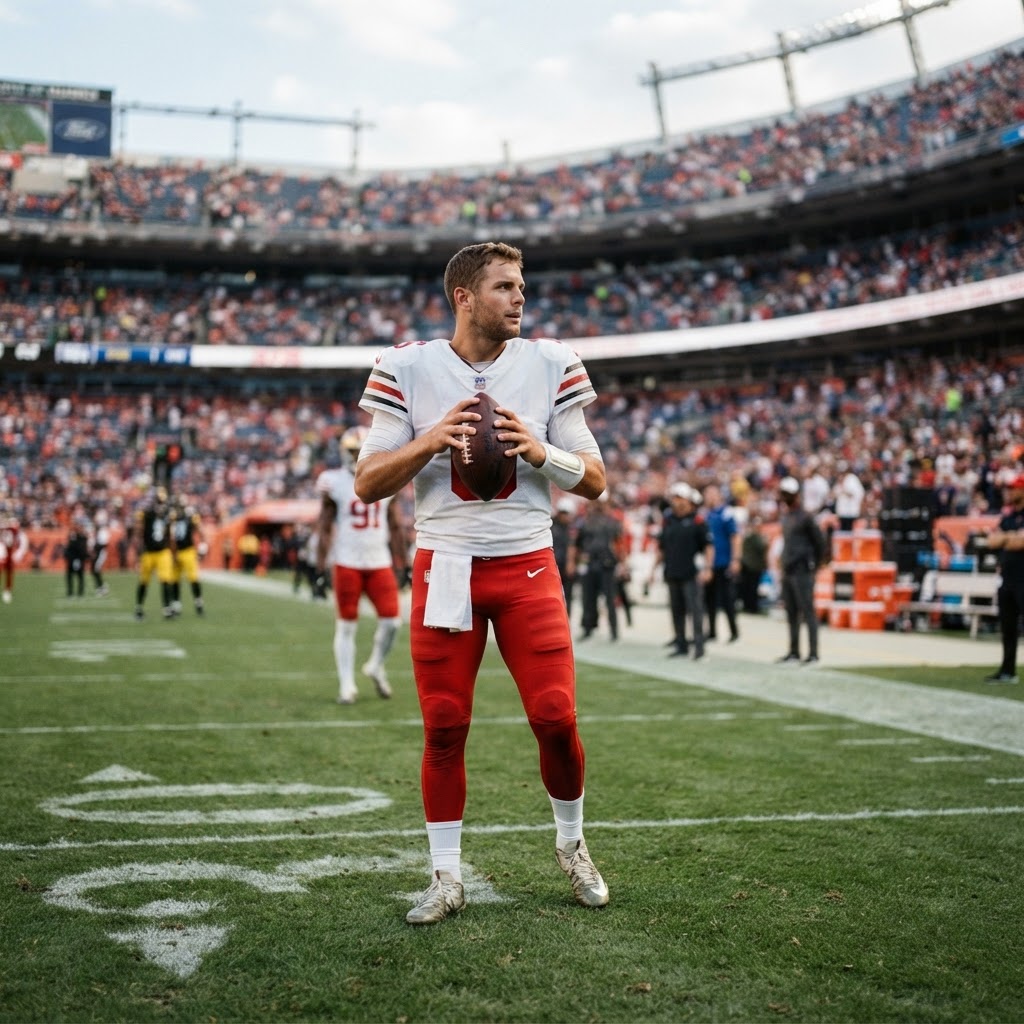
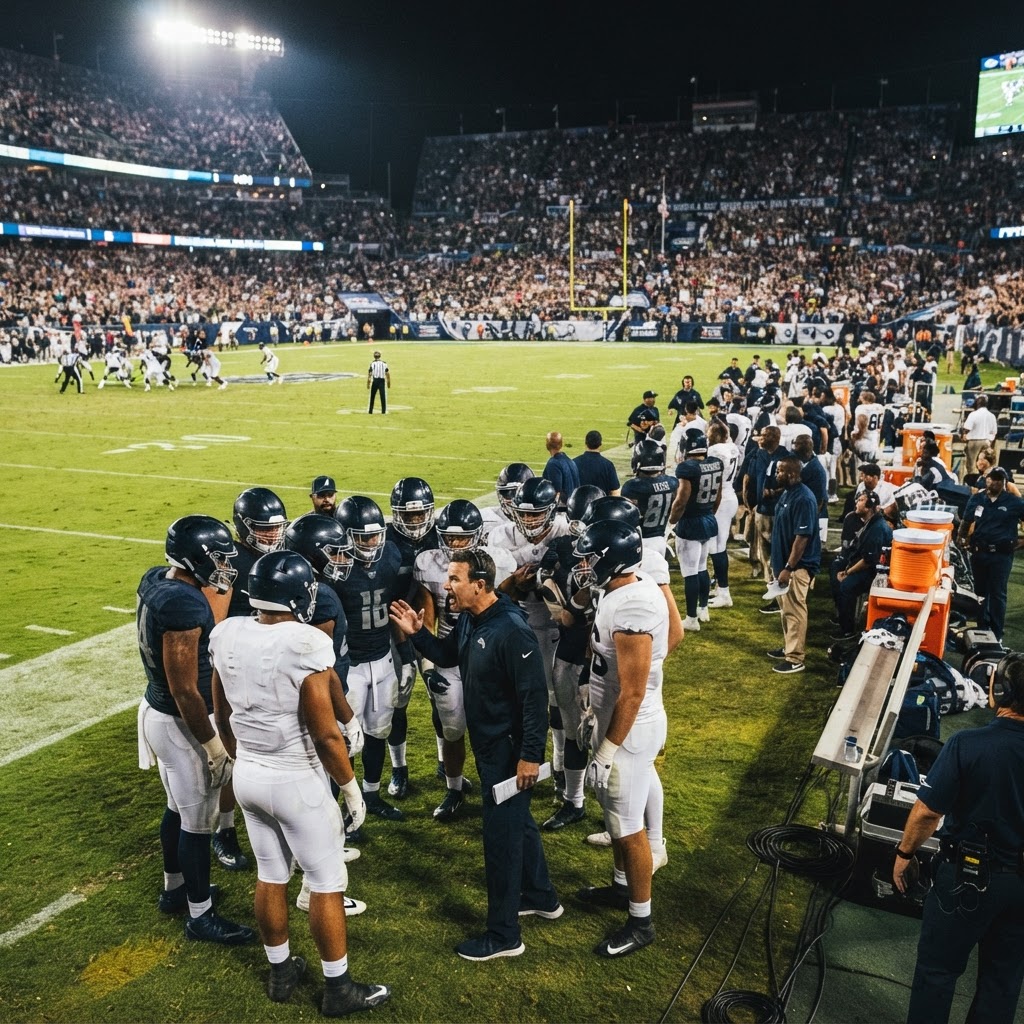
The conclusion of the 2026 NFL roster cutdown day revealed a notable trend across the league, as the Atlanta Falcons, Minnesota Vikings, Philadelphia Eagles, and Pittsburgh Steelers all opted to carry four quarterbacks on their initial 53-man rosters. The Cleveland Browns also effectively joined this group, though they utilized the injured reserve list to manage Dillon Gabriel’s roster status while maintaining four signal-callers within their organization. This departure from the traditional two- or three-quarterback model highlights a growing emphasis on depth at the most critical position on the field.
The Logic Behind the Quartet
Historically, NFL teams have prioritized special teams contributors and depth at positions like wide receiver or defensive back for the final spots on the 53-man roster. However, modern roster flexibility—specifically the ability to utilize practice squad elevations—has mitigated the risks of carrying an extra quarterback. For teams like the Vikings, who have navigated significant injury history at the position, or the Falcons, who are managing a complex depth chart featuring Tua Tagovailoa and Michael Penix Jr., the decision serves as both an insurance policy and a method to protect developmental assets from being claimed by other clubs.
Player Spotlight: J.J. McCarthy
The Minnesota Vikings' decision to keep four quarterbacks includes J.J. McCarthy, who remains a focal point of the team's long-term planning. Despite a tumultuous journey that included a season-ending knee injury in his rookie year and a competitive battle with Kyler Murray during the 2026 training camp, McCarthy secured his spot on the active roster. While the team has committed to Murray as the starter, the presence of McCarthy alongside veterans like Carson Wentz underscores the organization's commitment to maintaining a robust pipeline of talent at the position.
Looking Ahead
While carrying four quarterbacks remains an unconventional procedure, it is increasingly becoming a tactical option for front offices. As teams continue to balance immediate win-now needs with the necessity of developing young signal-callers, the "four-QB" approach may become a standard feature of roster construction rather than an outlier. Whether this trend persists into future seasons will likely depend on how these teams manage their depth throughout the 2026 campaign and whether they can successfully navigate the trade market to consolidate their quarterback rooms.