
The season for the Chicago Cubs has become the definition of a baseball roller coaster. One week they look like a legitimate World Series contender capable of overpowering anyone in the National League. The next, they look flat offensively, shaky on the mound, and searching for answers that seemed obvious just a month earlier.
That emotional swing has defined the Cubs through the first part of 2026.
At their best, the Cubs have looked electric. The lineup has flashed power from top to bottom, the young core has energized Wrigley Field, and manager Craig Counsell has guided stretches where Chicago looked like one of baseball’s most complete teams. Early-season comeback wins and dramatic walk-offs created the feeling that this club was destined for a special summer.
But baseball seasons are never linear, and the Cubs are now fighting through the inevitable turbulence that tests every contender.
The biggest concern at the moment is the inconsistency of the offense, particularly the recent struggles of center fielder Pete Crow-Armstrong.
After emerging as one of the faces of the franchise with his elite defense, speed, and developing power, PCA has cooled off significantly at the plate. The slump has become noticeable enough that Counsell recently moved him down to the ninth spot in the batting order — a clear attempt to relieve pressure and allow the young star to reset mentally.
For a player who once looked like an MVP candidate during hot stretches, batting ninth feels symbolic of where things currently stand for both Crow-Armstrong and the Cubs offense as a whole.
The struggles are not entirely shocking. Crow-Armstrong has always been viewed as an immensely talented but still developing hitter. Analysts entering the season warned that consistency would determine whether he became a superstar or simply an exciting athlete with streaky production.
Right now, pitchers are exposing holes in his approach. He has expanded the strike zone, fallen behind in counts, and failed to drive the baseball with the authority Cubs fans became accustomed to seeing during his breakout moments. The confidence that once fueled his aggressive style appears to be wavering.
Still, the Cubs believe the talent is too great for this slump to last forever.
That optimism mirrors the larger story of the season. Even during rough stretches, Chicago continues to show flashes of why expectations remain high. Veterans like Ian Happ and Dansby Swanson have tried to stabilize the clubhouse, while the lineup still has enough firepower to erupt at any moment. The Cubs have already proven they can pile up runs in bunches when everything clicks.
The problem has been sustaining it.
One series, the Cubs look unstoppable. The next, they struggle to hit with runners in scoring position and waste quality pitching performances. That inconsistency has prevented Chicago from fully separating itself in the division race.
Yet there’s also a strange feeling around this team that the story is far from written.
Because even amid the frustration, the Cubs remain talented, dangerous, and capable of catching fire quickly. And if Crow-Armstrong can rediscover his swing and become the dynamic table-setter he was projected to be, the lineup suddenly changes complexion again.
That is what makes this Cubs season so exhausting — and so fascinating.
Every high has looked like the beginning of a championship run. Every low has felt like the start of a collapse.
And somewhere in the middle of all that chaos sits Pete Crow-Armstrong, now batting ninth, trying to fight his way back to being the spark that once made the Cubs feel unstoppable.
Back to Articles
MLB
Stand in line for the Chicago Cubs roller coaster
Related Stories
MLB
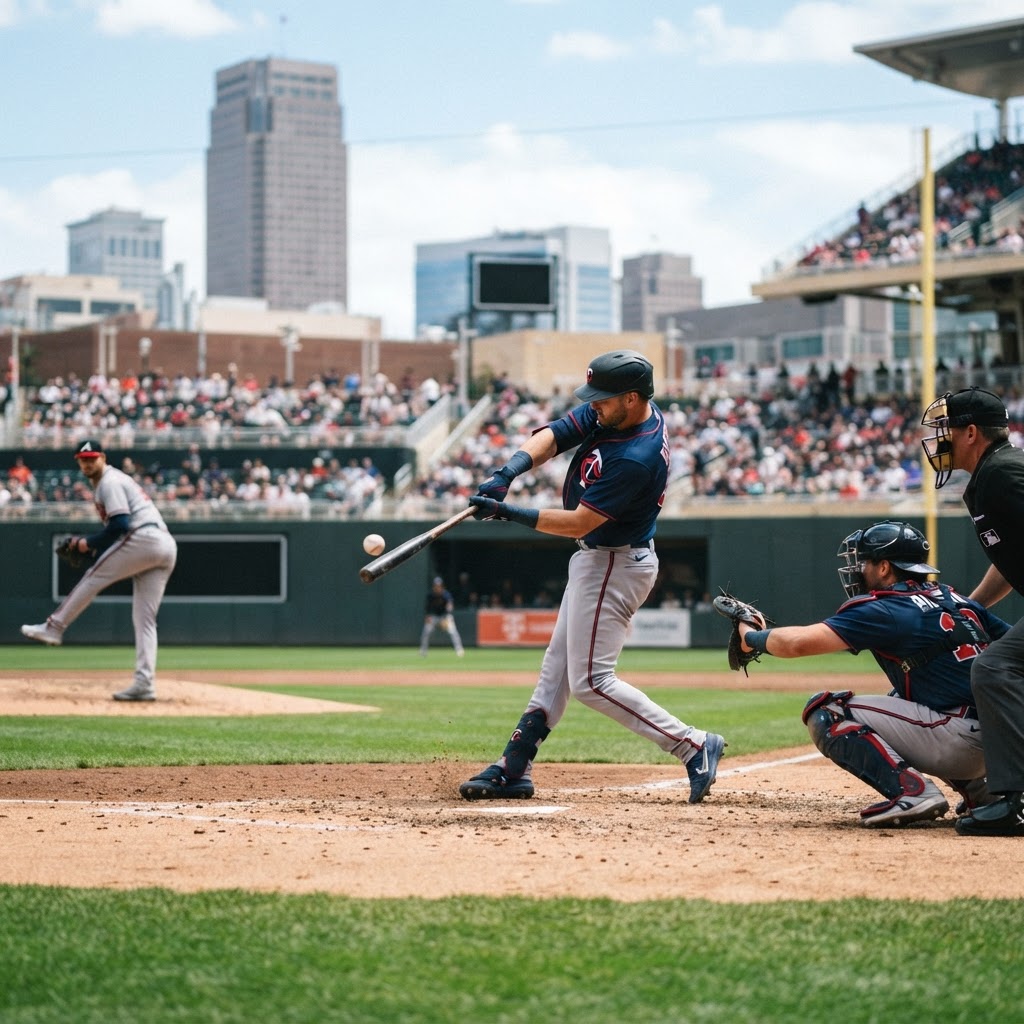
Minnesota Twins Sweep Atlanta Braves with 6-4 Victory at Target Field
Atlanta Braves lost to Minnesota Twins 4-6 on Wednesday as Kody Clemens drove in three runs to secure a series sweep for the Twins at Target Field.
MSN Sports Desk·Aug 21, 2026
MLB
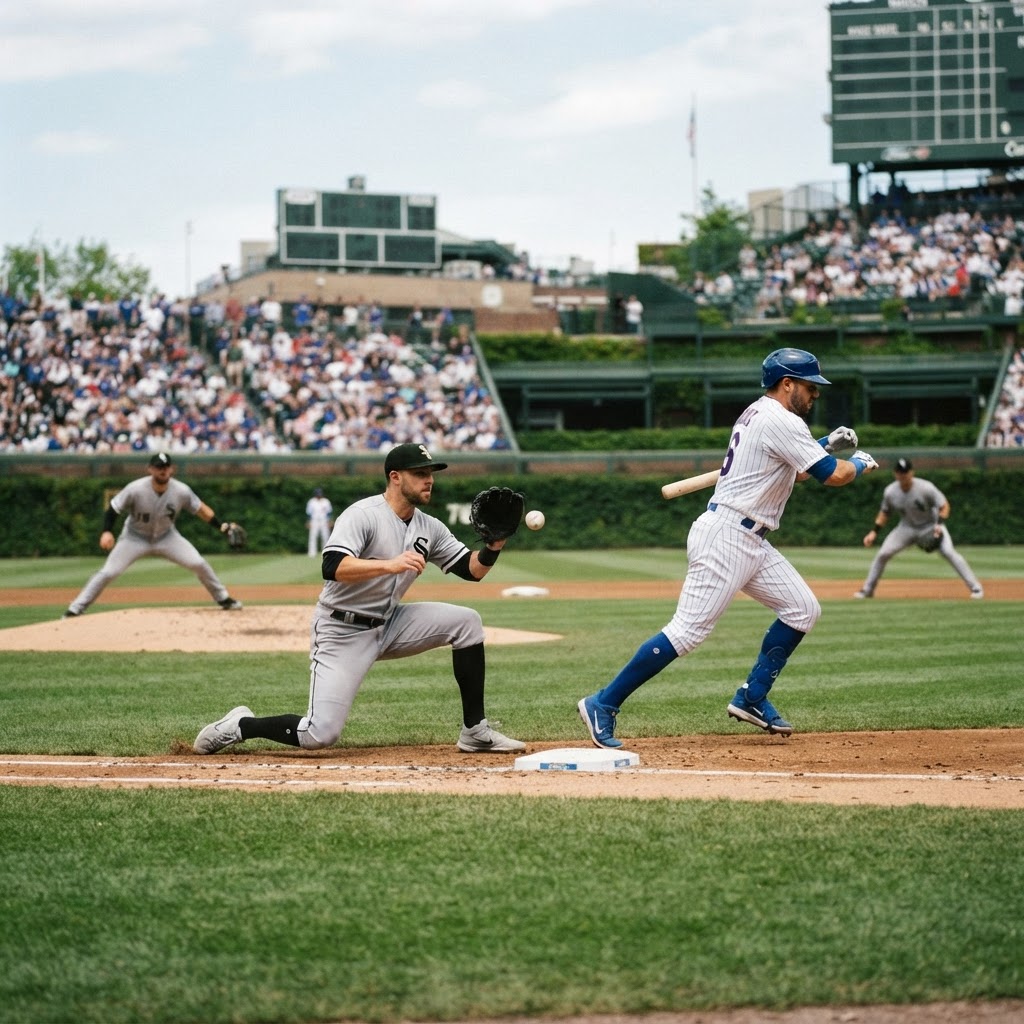
White Sox Shut Out Cubs 3-0 at Wrigley Field behind Urquidy's Dominance
Chicago White Sox defeated Chicago Cubs 3-0 behind six scoreless innings from José Urquidy and a two-run double from rookie Braden Montgomery to split the season series.
MSN Sports Desk·Aug 21, 2026
MLB
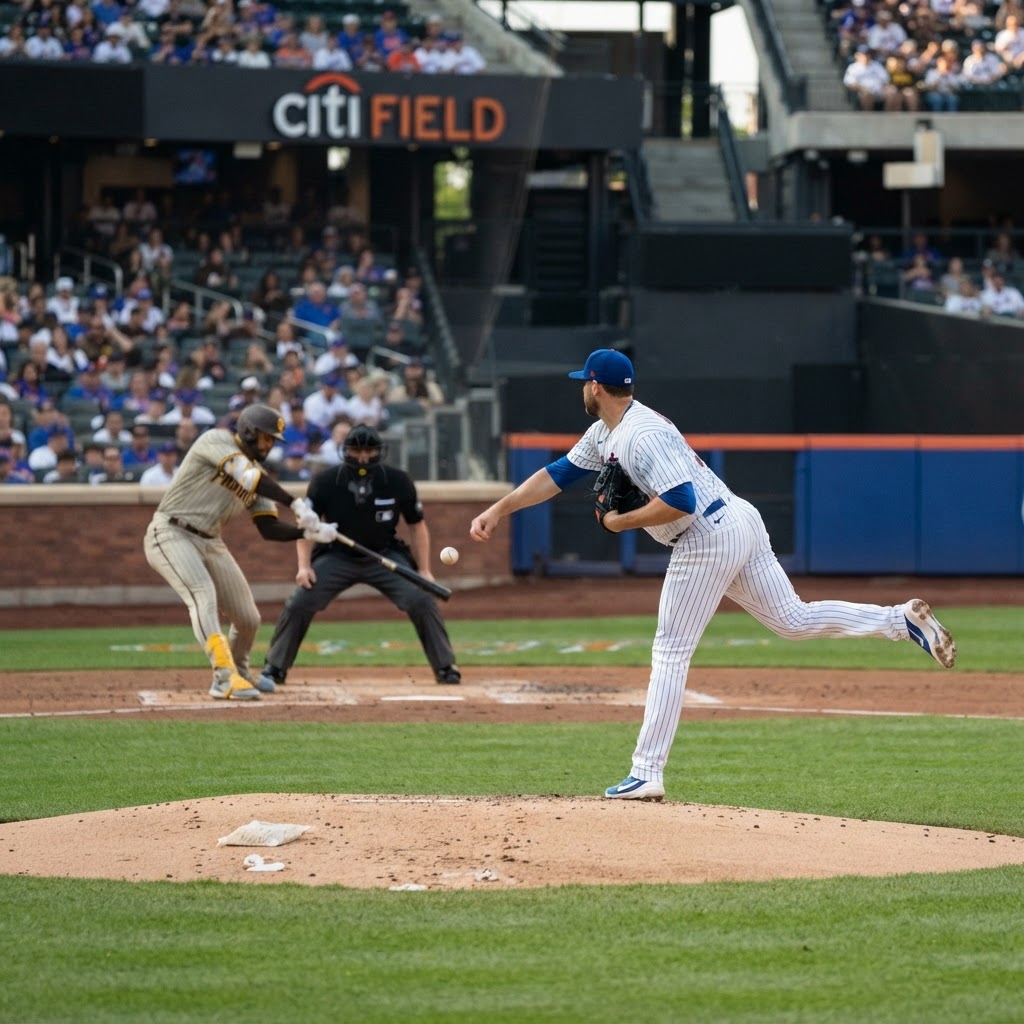
Mets Secure Series Finale Victory Over Padres
San Diego Padres lost to New York Mets 2-4 in the series finale at Citi Field.
MSN Sports Desk·Aug 21, 2026